
The Prevalence of Vitamin A Deficiency Among Children in India
Did you know that almost two in five eligible children in India are missing out on preventive vitamin A?
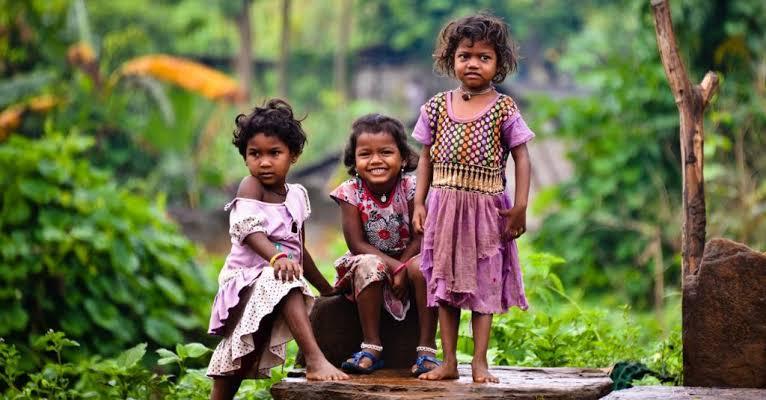
This is a serious problem, as vitamin A deficiency can lead to blindness, among other health problems.
In this article, we’ll discuss the causes of vitamin A deficiency among children in India, and what can be done to address it.
What Is Vitamin A Deficiency?
One in five children in the world is deficient in vitamin A, and India has the highest number of them. This means that two in every five eligible Indian children are missing out on preventive treatments that can help keep them healthy.
Vitamin A is essential for healthy vision, skin, and immunity, so a deficiency can have serious health consequences. It can lead to blindness, weakened immunity, and diarrhea, which can lead to malnutrition and death.
The good news is that vitamin A deficiency is preventable. If more parents are aware of the problem and take steps to ensure their children receive adequate vitamin A, we can start to make a real difference in the lives of these children.
What Are the Symptoms of Vitamin A Deficiency?
If you’re concerned that your child may be suffering from vitamin A deficiency, there are some telltale symptoms to look out for. These can include night blindness, dry skin, difficulty seeing in low light, and a weakened immune system.
If you’re worried that your child may be affected, it’s important to get them checked out by a health professional. With early diagnosis and treatment, most cases of vitamin A deficiency can be successfully treated.
Why Are Children in India at Risk for Vitamin A Deficiency?
There are a number of reasons why children in India are at risk for vitamin a deficiency. One is that many Indian mothers do not breastfeed their children for the recommended six months. This is because breastfeeding is often seen as shameful, and many mothers believe that it will make them unattractive.
Serum retinol values among children under the age of 5 (9563) during the CNNS were used to determine the prevalence of vitamin A insufficiency.
Data analysis revealed that 123,836 out of 204,645 eligible Indian children hadn’t received vitamin A supplements, or 2 out of every 5 children.
The researchers observe that the overall coverage was just 60.5%, which is low when compared to most other South Asian nations. And it varied greatly across the several states and union territories, ranging from 29.5 percent (Nagaland) to 89.5 percent (Goa).
The coverage varied amongst districts, falling between little under 13 percent (Longleng district, Nagaland) and 94.5 percent (Kolar district, Karnataka). There were distinct hotspots and coldspots in terms of geography.
Seventy one of the 640 districts (11%) had coverage levels above 80%. However, coverage was 20% or less in 13 districts: Longleng, Mon, Phek, and Zunheboto are all from Nagaland, along with Longleng, Chandel, and Senapati from Manipur, Muzaffarnagar, Bareilly, and Bahraich from Uttar Pradesh, Dungarpur, and Rajsamand from Rajasthan, and Senapati from Arunachal Pradesh (East Kameng).
Additionally, vitamin a deficiency is often caused by poor diets. Indian diets are often high in carbohydrates and low in fruits and vegetables. This lack of nutrients can cause malnourishment, which leads to vitamin a deficiency.
What Are the Consequences of Vitamin A Deficiency?
As you know, vitamin A deficiency is a major health issue in India. But what are the consequences of this deficiency?
Well, without enough vitamin A, children are at risk of developing serious health problems such as blindness, diarrhea, and pneumonia. In fact, it’s estimated that two in five eligible children in India are missing out on the preventive benefits of vitamin A.
This is why it’s so important to ensure that your child gets the recommended daily dose of Vitamin A. You can do this by making sure they eat foods such as liver, eggs, and dark leafy greens, or by giving them a vitamin A supplement.
What Can Be Done to Prevent Vitamin A Deficiency?
So what can be done to prevent vitamin a deficiency among children in India? There are several steps that can be taken, including:
-Educating parents and caregivers about the importance of vitamin a and how to incorporate it into their children’s diets
-Providing vitamin a supplements to children who are not getting enough from their diet
-Creating public health campaigns to raise awareness about the dangers of vitamin a deficiency
-Making sure that people have access to affordable, nutritious food
What Are Other Vitamins That Are Important for Children?
Vitamin A deficiency is a common problem among children in India. However, it’s not the only vitamin that’s important for their health. Here are some other vitamins that are critical for their growth and development:
Vitamin B12 is important for energy production and red blood cell formation.
Vitamin C is necessary for the absorption of iron, and is also a powerful antioxidant.
Vitamin D helps the body to absorb calcium and is essential for strong bones and teeth.
Vitamin E is a strong antioxidant that helps to protect cells from damage.
Conclusion
Though vitamin A deficiency is a global problem, it is particularly rampant in India. An estimated two in five eligible Indian children are missing out on crucial preventive doses of the vitamin, often with deadly consequences.
The main causes of this problem are poverty and malnutrition. Children in poorer families are less likely to receive the proper nutrition, including vitamin A. And even when they do, the quality of food is often poor, leading to further deficiencies.
There are several ways to combat this issue, including increasing access to affordable preventive supplements and fortifying food staples with the vitamin. But ensuring that all Indian children have the chance to grow up healthy and disease-free will require a concerted and ongoing effort from all sectors of society

Bone Health: Here’s How You Can Keep Your Bone Healthy

Telemedicine in India: Where do we stand

FMGE 2022 Exam Pattern
About Author
