
How To Write A Medical Prescription?
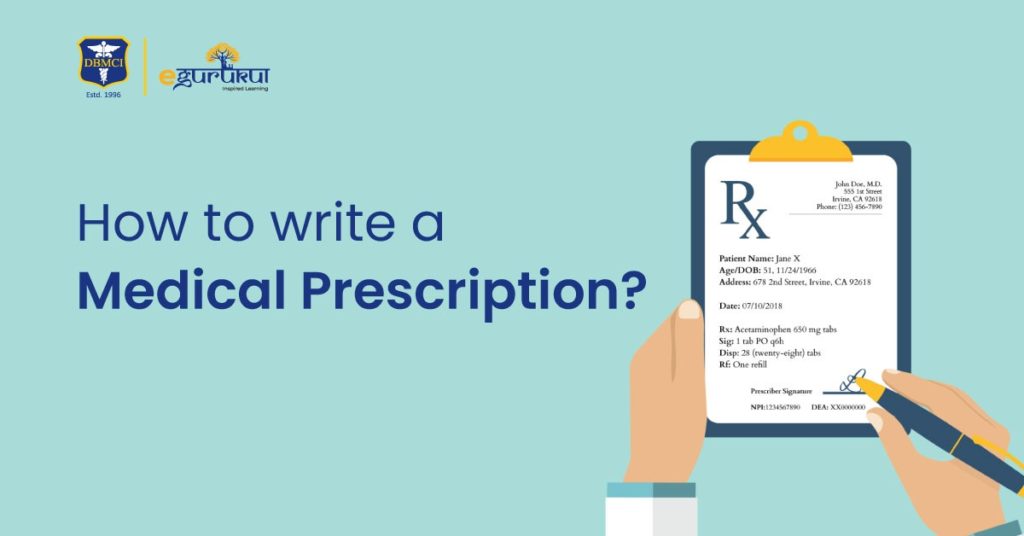
Introduction
A medical prescription is one of the most vital documents in the treatment process. It is a record that stores information about the doctor in charge of the case, the patient who comes for treatment, and the doctor’s medicines to cure their illness. Prescriptions are essential because they contain the entire treatment plan of the patient. The medicine shops also issue medicines after seeing the prescription. It is proof that the doctor has recommended the medication to the patients. This article explores the art of prescription writing in detail.
Writing a Medical Prescription
Writing a medical prescription is a detailed process. It has three parts- the doctor’s information, the patient’s information, and the diagnosis. Listed below are the details of the three parts of prescription writing:
The Doctor’s Information:
This part is one of the most vital parts of the prescription. Without the doctor’s information, a prescription is incomplete. That is why doctors insert letterheads containing their information in the prescription. Adding their data to the prescription also increases their credibility. Listed below are some of the most crucial information that should be there about the doctor in the prescription:
- Name: This information is the most obvious yet the most vital. The doctor’s name is essential for the patient. The doctor should mention their full name to avoid any confusion. Not saying their full name might lead to confusion. The patient might also think that the doctor is not disclosing their identity, leading to suspicions about the doctor.
- Residential address and consultation timings: This criterion is also vital. The doctor must mention all essential details about themselves on the letterhead. These details include their residential address, consultation timings, chambers/hospitals where they sit, their contact number, and email id. These details help the patient contact the doctor when they require it. The doctors must also provide an emergency contact number so that the patient can contact them during emergencies.
- Doctor’s Qualification: The doctor’s qualification is essential information in the prescription. Doctor’s qualification indicates their medical degrees like MBBS, MS, MD, etc. Adding the qualifications adds to the credibility of the doctor. It helps the patient judge how qualified the doctor is. Therefore, doctors must mention their medical qualifications on the medical prescription letterhead.
- Date of the diagnosis: The doctor should also mention the prescribing date. This way, they can track when they recommend the medicine to the patient. They can also record when they initiated the patient’s treatment by writing the date.
- Signature: Sign establishes authenticity in a prescription. There are times when people produce fake prescriptions to buy medicines. The doctor’s signature indicates that it is indeed the doctor who has written the prescription. Therefore, the doctor’s sign becomes essential while writing a prescription.
- Registration number: There are times when doctors fake their qualifications. Providing the registration number establishes the doctor’s authenticity. It indicates that the doctor indeed has a medical degree.
- Rx: The doctor must start the prescription by writing Rx. Rx is a superscription that precedes the patient’s information in the prescription. It is a Latin term which means recipe or to take.
- Rubber Stamp: Rubber stamp again establishes authenticity in the prescription. The doctor’s rubber stamp indicates that the doctor wrote the prescription and is not fake.
Therefore, these are all the required information about the doctor a medical prescription should contain. Doctors are legally bound to write their full name and other details needed. They may also type the prescription, but in that case, they have to provide a handwritten sign to show authenticity.
The Patient’s Information
The medical prescription is a record that contains all the necessary information about the patient. Listed below are some of the crucial information that the prescription paper must include about the patient:
- Full name: Just like doctors, patients must also provide their full names in the medical prescription.
- Age: Age is another essential criterion in medicinal prescription. The age of the patient determines the dosage of medicine they should take. It also helps the doctor plan what type of treatment they will proceed with for the patient.
- Weight: The weight of the patient is another determining factor. It determines the degree of dosage their body can intake. The weight of the patient also indicates how healthy they are.
- Residential address and contact number: Like the doctors, the patients should also include their residential address and phone number in the prescription. This way, the doctor can contact them in case of any emergency.
- Sex: The prescription must contain the patient’s sex.
- Symptoms and patient diagnosis: This is an essential part of a medical prescription. In this part, the doctor notes down the symptoms the patient faces. They then analyze the symptoms and write down the diagnosis of the patient. They also write the patient’s case history, if any, in this section. Writing the case history makes the evaluation process more straightforward. Doctors give medicines based on this diagnosis. Therefore, they must report this information correctly to write the diagnosis correctly.
Therefore, these are the details that the prescription should contain about the patient. Detailed information about the patient is necessary as it helps them authenticate their identity to the doctor.
Medicine Information
The most crucial part of a medical prescription is the medicines. The medicines indicate the treatment plan of the doctor. Listed below are some essential points related to writing about the medication in a prescription:
- Name: The name of the medicine is the first thing a medical prescription should contain. Writing the medicine’s name will help the patient buy it correctly. Doctors must write the name of the medication clearly to make it readable. They must report the full name of the medicine along with the brand name. Doctors must avoid writing the medicine’s name in abbreviations as that may confuse the patients.
- Power of the medication: Medicines have a variety of potencies. The same medication may be available with different strengths. Hence, the doctors must clearly write the power of the medicine. Wrong medicine power might cause adverse effects for the patient. Therefore, doctors must write the strength of the medication according to the seriousness of the illness.
- Dosage Form: The dosage form of the medicine indicates the structure of the drug. The same medication may come in different forms. Therefore, doctors must write the dosage form they prescribe to the patient clearly to understand. High dosage medicine will have adverse effects on patients who do not have grave illnesses, and low dosage medicine may not be effective for patients with grave diseases.
- Instructions to intake the medication: The doctor must write how frequently the patient should take medicine. If they do not specify the number of times the patients should eat the medication, it might lead to an overdose or underdose. Furthermore, there are many medicines doctors instruct to take after a specific time limit. Hence, doctors must also specify the time interval after which the patient will take the medication so that it does not lead to any confusion. Doctors must also prescribe how they should intake the medicine so that the patients take it correctly. Therefore, to ensure that the patients eat the medication at the appropriate time, doctors must write clear instructions in the medical prescription.
- The quantity of medicine and time duration: Medication has numerous side effects. Hence, patients must only take the amount of medication required for them. Doctors must mention the quantity of medicine they should intake, how many times they should take it, and the number of days they should intake it. This way, patients can avoid confusion and overdose of medication. Without information about the quantity of the required drug, the medicine shop cannot provide the appropriate amount of medicines.
- Refill Information: The doctor might want a patient to continue the medication he prescribed before. In this case, he will write that information in the medical prescription to keep track of the number of times he recommends the treatment. If the doctor wants to change a particular medicine due to adverse side effects or low effectiveness, he can also mention that in the prescription. This way, he can also keep track of his changes throughout the treatment. The prescription is a record of any refill or changes the doctor orders.
Conclusion
Writing a medical prescription is an art. It requires focus and expertise. A prescription must contain every detail relevant to the case. A doctor must ensure no discrepancies or confusion in the prescription. The description in the prescription will lead to adverse effects. A doctor must also ensure to write the details clearly, without scribbling. If the handwriting is not legible, it might confuse the patients and the medical shopkeepers who provide them with medicine. Hence, medical students must learn how to write a medical prescription correctly. So, if you are looking for a platform to guide you through the prescription writing process, then eGurukul is the right place for you. The e-platform teaches medical students about prescription writing in detail. Join eGurukul to access exclusive content related to writing a medical prescription now!

Practice Sample Papers to Score Well in NEET 2022

NMC draft takeaway regarding NEXT exam

How To Become A Resident Doctor – Career Profile, Education and Training, Salary Scope etc.
About Author
